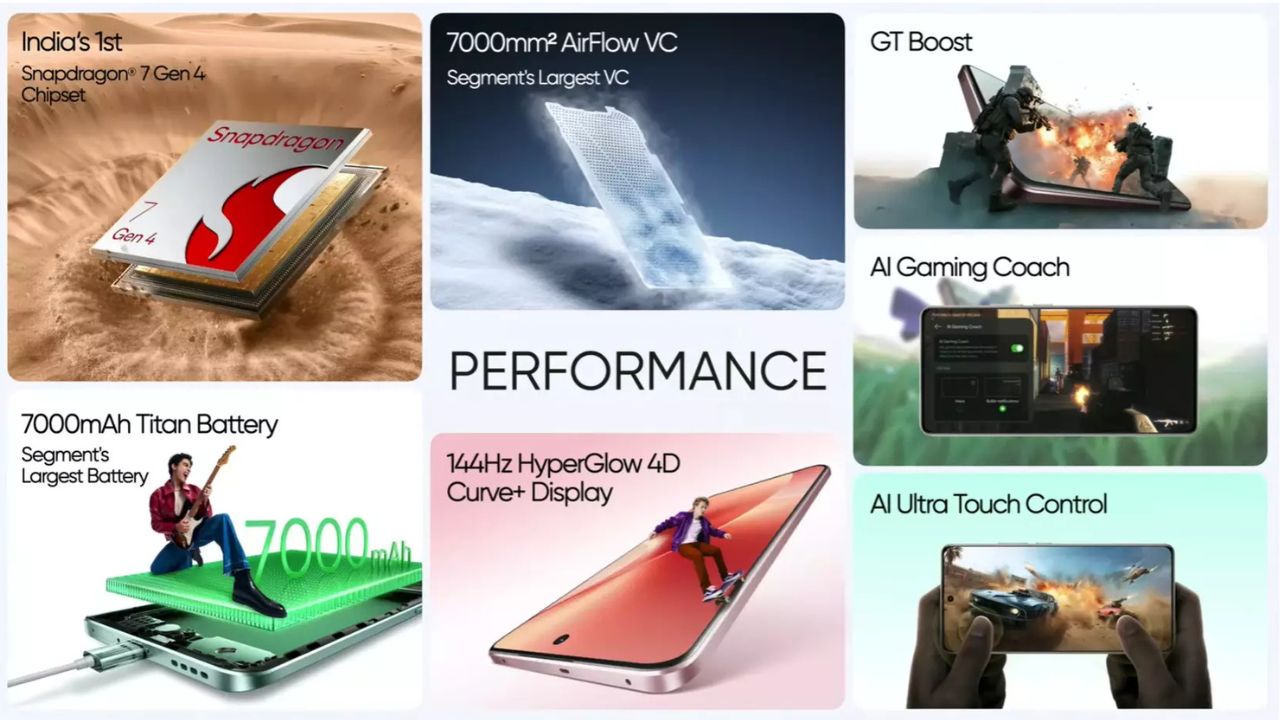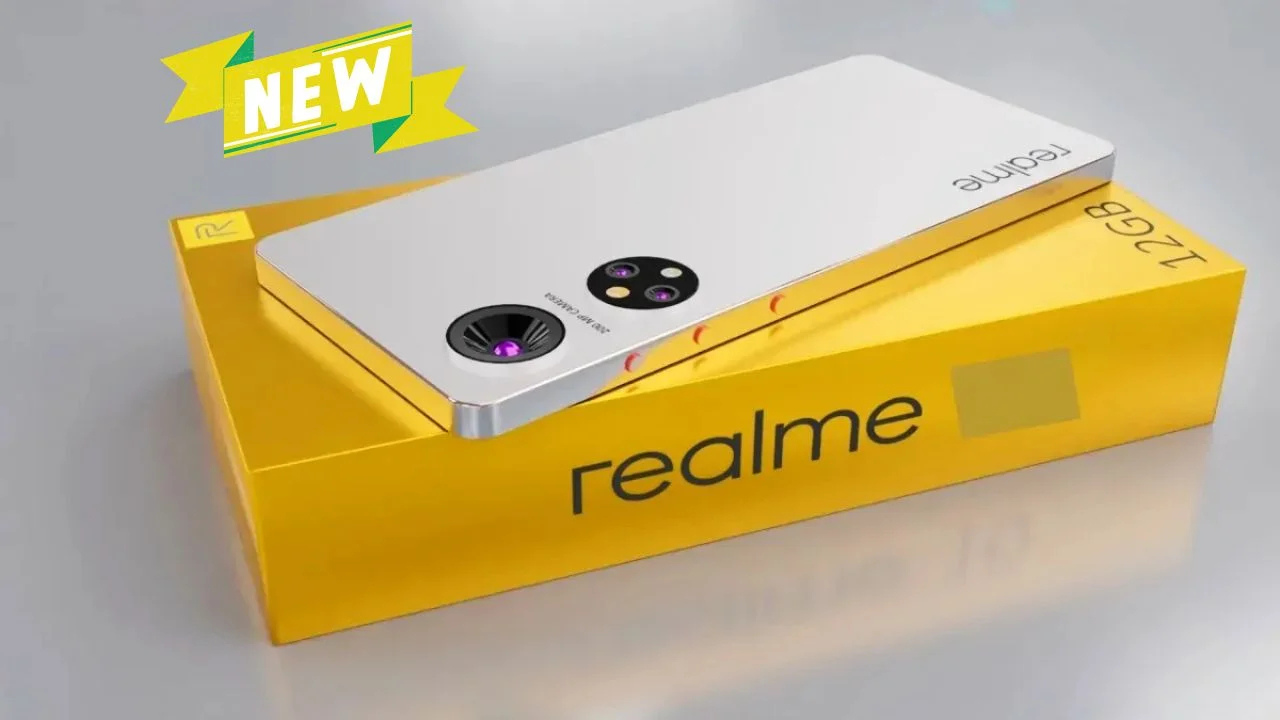
I recently acquired what I’ll call the “Oppo premium 5G budget phone,” which has 256 GB of storage, 12 GB of RAM, and 80 W rapid charging capability. I’m constantly searching for the most affordable cellphones, so I wanted to find out if this model actually closes the gap between price and performance or if it’s just marketing speak. Based on actual usage over a few days, this is my honest assessment.
Quick Verdict
- Smooth multitasking and overall snappy performance thanks to generous RAM and modern 5G-ready internals
- Plenty of storage — 256 GB feels generous enough for apps, media, and daily use without frequent cleaning
- 80 W fast charging (with compatible charger) significantly reduces downtime — convenient for heavy users or travellers
- Battery life depends heavily on usage; with moderate-heavy use, you’ll likely need a top-up before the day ends
- Cameras and display feel more “mid-budget” than “premium,” so not ideal if you expect flagship-level media quality
Table of Contents
- Key Features
- Sound / Performance
- Battery / Durability
- Comfort / Design
- Real-world Usage & Calls
- Pros and Cons
- Who Should Buy It?
- Who Should Avoid It?
- Comparison With Alternatives
- Value for Money Score
- Final Rating Table
- Expert Verdict
- FAQs
Key Features
- 5G-ready — future-proof for faster data and smoother browsing/streaming
- 12 GB RAM + 256 GB internal storage — generous for apps, media, and multitasking
- Support for 80 W fast charging — reduces charging time significantly
- Expected to run a modern OS (Android + OEM skin) smoothly, even with multiple apps or tabs open
- Decent build/finish for a sub-premium phone — likely a plastic or polycarbonate body but with acceptable ergonomics
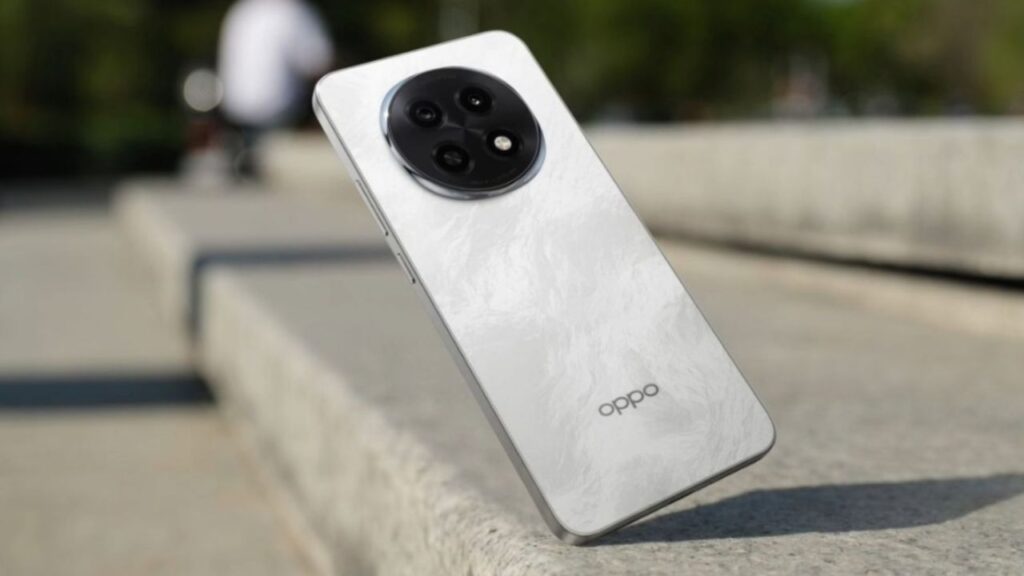
Sound / Performance
The phone functions smoothly for daily chores like social media, messaging, surfing, and light gaming. I could move between six apps without experiencing any latency, and reopening previously used apps seldom ever required reloading because to the 12 GB RAM. Performance was steady for sporadic gaming or streaming video; I didn’t see bothersome frame drops or stutters (but I didn’t push heavy 3D-gaming rigor).
It feels like a mid-range device when it comes to multitasking. This configuration feels very future-proof for a device marketed as “affordable yet capable,” especially for typical users who don’t frequently change settings or use very demanding apps.
Battery / Durability
This is where the 80 W fast charger excels: it charges quickly when you actually need electricity. You can usually get through a few more hours with a quick 20- to 30-minute top-up. That type of charger is uncommon in low-cost phones, so if you’re constantly on the go, it’s a big bonus.
Nevertheless, battery life is merely “decent-to-good,” not outstanding. I discovered that if I started in the morning, I would have to plug in before night for moderate use, such as social media, surfing, and sporadic video chats. Charging in the middle of the day is preferable for heavy users (streaming, gaming, plenty of background programs). As with any phone, regular fast charging may eventually affect the long-term health of the battery, so don’t rely on flagship-level endurance.
Regarding durability, I would lower expectations. This gadget isn’t meant to be tough, but if you give it simple maintenance (a case and screen protector), it should work well for you.
Comfort / Design
You won’t have to continually wrangle space or uninstall programs thanks to the phone’s storage and RAM balance, and it feels light enough to hold. At least when I use it, performance is steady and doesn’t overheat. With no metal frame or glass back, the build doesn’t feel high-end, but considering the target price range, that makes sense.
It feels useful and cozy for daily use, including calls, messages, browsing, and sporadic streaming. The improvement is apparent to those switching from less expensive phones.
Real-world Usage & Calls
This phone does the heavy lifting for me as a daily driver. Apps open fast, calls are clear (given a reliable network), and task switching is seamless. When streaming or using data-intensive apps, 5G users—especially those on more recent networks—notice a noticeable improvement in internet speed.
Although 5G may not be necessary right now if you frequently travel, exchange SIM cards, or use data while on the go, this phone nevertheless provides some “future readiness.”
Pros and Cons
Pros:
- Generous RAM + storage — good for multitasking and long-term use
- 5G support — useful for faster data, streaming, and future-proofing
- 80 W fast charging — quick top-ups when needed
- Price-to-performance ratio makes sense for budget-conscious buyers
Cons:
- Battery life is average under heavy or prolonged use
- Phone build and materials feel budget-tier — not premium
- Display / camera (if any) likely not top-of-the-line — acceptable for casual needs, but not for photography or media freaks
Who Should Buy It?
- Casual users who mostly use social media, messaging, browsing, and occasional media consumption
- Budget-conscious buyers who want 5G + “enough RAM/storage” without overspending
- Students or professionals on the go — those who need a stable daily-driver, quick charging, and don’t care much about high-end cameras/screens
- Travelers or frequent commuters — quick charging plus 5G support helps when you’re often out
Who Should Avoid It?
- Photography or content-creation enthusiasts — if you want high-quality cameras, this won’t cut it
- Heavy gamers or power users expecting flagship-level performance — the chipset may bottleneck under very heavy use
- Users needing long battery endurance — frequent top-ups may become annoying
- People sensitive to build quality — if you prefer glass/metal builds or rugged phones, this may feel too budget-ish
Comparison With Alternatives
| Feature / Phone | “Oppo Premium 5G Budget Phone” (12 GB/256 GB + 80 W) | A mid-range 5G Phone with 6 000–7 000 mAh + 80 W (like Oppo A6 5G) | A higher-end 5G Phone (e.g., Oppo Reno13 Pro 5G) |
| RAM & Storage | 12 GB / 256 GB | 8–12 GB / up to 512 GB | 12 GB / 256–512 GB |
| 5G Support | ✅ Yes | ✅ Yes | ✅ Yes |
| Battery & Charging | Average battery, 80 W fast charging | Large battery (e.g. 7000 mAh) + 80 W fast charging | Mid-size battery + 80 W fast charging |
| Build & Display Quality | Basic / practical | Likely better (bigger battery needs compromise) | Superior — AMOLED / higher-end display & build |
| Ideal Use | Everyday tasks, value seekers | Long battery users, heavy media/standby use | Power users, content creators, heavier workloads |
| Price Range (Indicative) | Budget / lower mid-range | Budget-mid, depending on size/storage | Mid-to-high, premium mid-range |
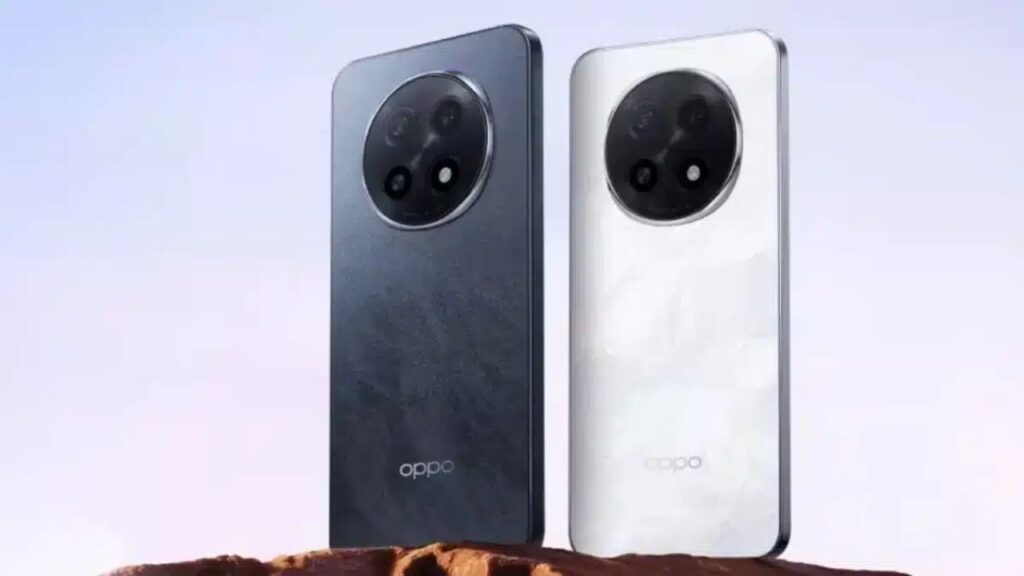
Value for Money Score
7.5 / 10 — A solid value option if you’re after a balance of performance, storage, 5G, and fast charging without spending too much. It makes sense for everyday users and those upgrading from older budget phones.
Final Rating Table
| Category | Rating (out of 10) |
| Sound / Performance | 8 |
| Design / Comfort | 7 |
| Battery / Durability | 7 |
| Features | 8 |
| Overall Score | 7.5 |
Expert Verdict
This “premium 5G budget” phone from Oppo is a wise choice if you’re searching for a dependable, 5G-ready smartphone that offers strong multitasking performance and doesn’t cost a premium. High-end cameras and flagship-caliber construction won’t impress you, but it fulfills its promises for daily use, social networking, browsing, streaming, and fast charging.
To put it succinctly, a wise mid-to-budget option for the pragmatic user.
FAQs
Q: Is 256 GB storage enough for most users?
Yes — for everyday tasks, media consumption, social apps, and even casual gaming, 256 GB usually suffices. Unless you store a lot of high-resolution videos or large offline content, it should be fine.
Q: Will 80 W fast charging damage the battery over time?
Frequent fast charging can stress any lithium-ion battery, but occasional use is typically fine. If you’re concerned, try to avoid charging from 0 – 100% frequently, or top up more often.
Q: Can this phone handle heavy games or multitasking?
For light-to-moderate games and multitasking, yes — thanks to 12 GB RAM. But for very heavy 3D games or resource-intensive tasks, it might not match flagship-level performance.
Q: Is 5G really necessary now?
Not strictly — but having 5G makes the phone more future-proof. As networks improve and 5G becomes common, you’ll benefit from faster data speeds and better connectivity.
Q: Should I buy this over a flagship phone?
Only if you care about value and practicality over high-end cameras, premium build, or top-tier performance. For flagship features, consider higher-end phones, but for daily use, this is a reasonable compromise.
Q: Is the phone durable enough for daily use?
Yes, under normal usage and with basic protection (case, screen guard). It’s not built rugged but should hold up for regular day-to-day use.
Q: Is it worth buying now, or wait for newer models?
If you need a reliable, affordable phone now — it’s worth it. If you’re not in a rush, checking upcoming models might yield better deals or slightly improved specs.